Sunday

Do you know any good Jamaican Actors?

  There is that one guy that came in 3rd world cop  (Paul Campbell) that deserves a shout out. Really good actor. What ever happened to him. I wonder? Do yo know if he has made any more films?

I believe that there is a lot to be said for the Jamaican talent; some of which has gone unnoticed. No doubt Bolt has put us back in the head lines, and this time for a good thing; but what about all the other talent.

Will it take some big shot producer to do it for us? As in the case of our 1998 Reggae Boyz and Rene Simmoes; or is this something that we have to do for ourselves as a people? 

Surely there have been some who have come out of the pack, i.e. escape the "confines" of the island. Can not one of them look back and help put our local talent on the international market?

As always just jotting down my thoughts. Do you think differently?

There are so many Jamaicans over seas.

  There is not a place that you can go in the world and not find a Jamaican. A lot of times they bunch together an create a bad name for the island. However there are others of us who blend in to be productive citizens of the country that we inhabit.

I recently visited the island as a tourist and thought to myself, "Wow if all the Jamaicans in the world were to return home to the island, forget about the  infrastructure not being able to cope, I don't believe they would all fit.

According the census in 2021 there is close to 3 million people living on the island. I believe there are way more than that living outside the island.

Although Wikipedia puts the number at around 2 million. I find that very hard to believe. I have traveled to several countries and I have found a population of Jamaicans everywhere that I have gone. In my defense I don't know what a million people look like.

So Wikipedia could very well be right, but the population living outside of the Island just seem like nuf nuff more than what presently live on the island..

Dat's all I have to say.

What are your thoughts?

Other than Jamaicans who eat Ackee and saltfish?

 Jamaican cuisine is renowned for its bold and eclectic flavors, and the dish of ackee and saltfish is no exception. While this iconic Jamaican dish has become a staple of Jamaican cuisine, it has also gained popularity in other cultures.


In some parts of the Caribbean, such as Trinidad and Tobago, ackee and saltfish is often enjoyed as a breakfast dish accompanied by fried dumplings, plantains, and other sides. It is also a popular dish in some parts of West Africa, and is believed to have originated from the Akan people of Ghana.


Outside of the Caribbean and West Africa, ackee and saltfish has seen growing popularity in the UK and the US. With significant Jamaican populations in both countries, the dish has become a part of the cultural landscape and can often be found in Caribbean restaurants and food trucks.


In conclusion, while ackee and saltfish is undoubtedly a Jamaican dish, it has also gained popularity in other cultures. Its bold flavor and unique taste have made it a beloved dish worldwide. Have you tried ackee and saltfish? Do you know which other cultures may have adopted this Jamaica cuisine?

Why the Jamaican dish of Ackee and saltfish?

 Jamaican cuisine is a fusion of diverse cultures that has given rise to some of the world's most delicious dishes. Among the many fantastic foods that have become synonymous with Jamaica, there is one staple that stands out - the popular Jamaican breakfast dish of ackee and saltfish.


Ackee and saltfish is a savory and flavorful dish that has become a favorite of Jamaicans and tourists alike. Ackee is a tropical fruit that is often referred to as Jamaica's national fruit, and saltfish is dried and salted cod. When cooked together with other ingredients like onions, tomatoes, and peppers, they create a dish that is both bold in flavor and satisfying in texture.


Ackee and saltfish were introduced to Jamaican cuisine during the colonial period and rapidly grew in popularity. The dish was a favorite of the working class, who found that it provided an inexpensive yet filling meal that could be enjoyed any time of day. Today, the dish remains an integral part of Jamaican cuisine, and no trip to Jamaica is complete without trying this celebrated cuisine.


Ackee and saltfish have also become a symbolic part of Jamaica's cultural heritage and a way for Jamaicans in the diaspora to connect with their roots. Jamaicans all over the world carry on the tradition of preparing and enjoying this beloved dish, not just for the taste but for the feeling of being connected to their homeland.


As with any traditional dish, there are some variations in the recipes and preparations. Some add tomato sauce, others add coconut milk, and some may leave out or reduce the salt, depending on their personal preferences. However, regardless of the variations, ackee and saltfish remains a staple Jamaican dish that brings people together and connects them to Jamaican culture.


In conclusion, the iconic Jamaican dish of ackee and saltfish deserves all the attention it receives as a renowned Jamaican breakfast meal that has transcended beyond the plate into representing the Jamaican culture and heritage. Its taste, convenience, and symbolism are a true reflection of the Jamaican spirit.


Have you ever tried ackee and saltfish? If so, which is your favorite recipe or variation? If not, what are you waiting for?

Why do Jamaicans celebrate nine-night?

 Nine-Night is a traditional funeral practice in Jamaican culture. It is a period of mourning, culminating in a celebration of the life of the deceased. The tradition is rooted in African culture and spirituality and is believed to have been brought to Jamaica by enslaved Africans.


During Nine-Night, family and friends of the deceased gather at the home of the deceased or a designated location for nine consecutive nights after the death. The practice is a way to offer support and comfort to the mourning family.


The evenings are filled with music, dancing, storytelling, and prayers. It is a time to remember the life of the deceased, share memories, and offer condolences to the family. The celebration is often accompanied by a variety of traditional Jamaican food, such as jerk chicken, rice and peas, and Ackee and Saltfish.


On the ninth night, the celebration reaches its peak, typically featuring a more elaborate event such as a grand feast or a fireworks display. It is believed that on the ninth night, the spirit of the deceased visits one last time before journeying to the spiritual realm.


Traditionally, Nine-Night was practiced only for individuals who had reached a certain age or status in the community. However, it has become a more widespread practice and is now used to honor and celebrate the life of any loved one who has passed away.


In conclusion, Nine-Night is a unique and powerful funeral practice that holds significant cultural and spiritual importance in Jamaican culture. It provides a way to offer support to the mourning family, celebrate the life of the deceased, and honor their memory.

Do Jamaicans celebrate the day of the dead?

 Jamaicans have a unique cultural approach to honoring their deceased loved ones. Although Jamaican culture shares some similarities with Hispanic cultures in their reverence for the dead, the practices and customs differ.


One of the most notable traditions in Jamaican culture is Nine-Night. This tradition is similar to Hispanic traditions of holding wakes or vigils for the dead. During the nine-night period, family and friends gather at the home of the deceased to celebrate and remember their life. The tradition involves singing, dancing, storytelling, and sharing food and drink. It is believed that the spirit of the deceased remains with the family for nine nights after their passing before moving on to the spiritual realm.


Another Jamaican custom is the Annual Women's Day of Remembrance. This day is dedicated to the memory of deceased women, particularly mothers. On this day, family and friends gather for a memorial service, which includes prayers, singing, and speeches. The day is meant to honor and celebrate the contributions that these women made to their families and communities.


However, unlike Hispanic cultures where the Day of the Dead is a public holiday, Jamaica does not have such a tradition. While Jamaicans pay respect to their deceased loved ones, the practices are usually private. 


Although Jamaican culture shares some similarities with Hispanic cultures in their reverence for the dead, the practices and customs differ. Jamaican culture has unique traditions such as Nine-Night and the Annual Women's Day of Remembrance, which are ways in which they honor and celebrate their deceased loved ones in a distinctive and personal ways.

Why is the blue mountain a part of Jamaicans Culture?

 The Blue Mountain peak in Jamaica is an iconic landmark that holds significant cultural and historical importance in Jamaican culture. The mountain range, which stretches across the parishes of St. Andrew, Portland, and St. Thomas, is the highest point in Jamaica, standing at 7,402 feet tall. Here are some of the significant aspects of the Blue Mountain peak in Jamaican culture.


The Blue Mountain is a designated Forest Reserve and a UNESCO World Heritage Site, known for its unique ecosystem and biodiversity. The area is also renowned for its coffee plantations, producing some of the world's best coffee. Jamaica Blue Mountain coffee is beloved for its robust flavor and aroma, which draws coffee connoisseurs from all over the world.


Aside from being a coffee producer, the Blue Mountain peak has several different hiking trails that offer a breathtaking view of Jamaica's natural beauty. Hiking the Blue Mountain peak is considered a rite of passage for Jamaicans. Every year, groups of Jamaicans journey to the summit to watch the sunrise, dubbed the "sunrise hike."


The Blue Mountain peak has been a place for spiritual gatherings throughout Jamaica's history. Many Rastafarians believe that the Blue Mountain peak holds significant importance as a divine and spiritual site where one can draw closer to nature and receive divine insights.


In addition to its cultural and spiritual significance, the Blue Mountain peak has played a vital role in Jamaica's history. During the time of slavery, many enslaved Africans fled to the mountains to escape bondage and build their communities. The Maroons, who fought against slavery and colonialism in Jamaica, made the Blue Mountains their home for centuries.


In conclusion, the iconic Blue Mountain peak is more than just a natural landmark. It is a symbol of Jamaica's cultural heritage, history, and spiritual life. The Blue Mountains are a source of pride for Jamaicans, who regard them as a symbol of their strength and endurance. The coffee, hiking trails, spiritual significance, and historical significance make the Blue Mountain peak a significant aspect of Jamaican culture. 


What is your favorite Jamaican cultural landmark, and what makes it significant to you?

7 things every Jamaican should do at last once.

 Jamaica is a beautiful island with rich cultural heritage and history, and there are several things that every Jamaican should try at least once. Here are seven things that capture the essence of Jamaican culture and are not to be missed.


1. Climb the Blue Mountains


The Blue Mountains is one of Jamaica's most iconic landmarks, and every Jamaican should visit at least once. The mountain range boasts scenic views, hiking trails, and coffee plantations.


2. Tasting diverse Jamaican cuisine


Jamaica is known for its mouth-watering cuisine. From jerk chicken, ackee and saltfish, patties, to curry goat, there is something for everyone. Trying different Jamaican dishes is a great way to experience the country's culture and diversity.


3. Visit the Bob Marley Museum


Bob Marley is a global icon, and the Bob Marley Museum in Kingston is a must-visit site for every Jamaican. The museum offers a glimpse into Bob Marley's life and music and his contribution to Jamaica's cultural heritage.


4. Attend a Jamaican festival


Jamaica has several vibrant festivals that are celebrated throughout the year, including Reggae Sumfest, Jamaica Carnival, and Independence Day. Attending these festivals is an excellent way to immerse oneself in the vibrancy and energy of Jamaican culture.


5. Swim in the Blue Lagoon


The Blue Lagoon is a breathtaking natural wonder and a popular tourist attraction in Portland. Aching to explore clear blue waters and to experience nature at its best, a refreshing dip in the Blue Lagoon is a must-do for every Jamaican.


6. Try different Jamaican drinks


Jamaica is home to several delicious and unique drinks. From the ever-popular Red Stripe beer to the famous Jamaican rum and coconut water, there's something for every taste bud to try. Sampling different drinks and local beverages is a great way to support Jamaican businesses and experience the country's culture.


7. Learn about Maroon History 


The story and history of the Maroons is an integral part of Jamaica's cultural heritage. Visiting the Maroon towns and learning their history, their culture, and their way of life is a unique experience that every Jamaican should have.


In conclusion, experiencing Jamaican culture and heritage is a must for every Jamaican, and trying the above activities mentioned will surely enrich your experience. The Blue Mountains, diverse cuisine, Bob Marley Museum, attending festivals and rituals, the Blue Lagoon, trying diverse drinks, and learning about the Maroons' history are all fantastic ways to get to know Jamaica even better.

Will Jamaican Music of the past be forgotten?


Music has always been an integral part of our lives. It has the power to move us, inspire us, and bring people from different backgrounds together. Throughout history, we have witnessed the rise and fall of various genres, singing sensations, and legendary bands. However, with the advent of the internet and YouTube, music has reached a new level of accessibility, and it will never be forgotten again.

Music has come a long way, from the vinyl records of the 1920s and 30s to the compact discs of the 1990s. Despite the advancements in technology, music was always limited by physical distribution barriers, and access to music was limited to specific countries and regions. With the introduction of the internet and YouTube, however, music knows no boundaries. 

The internet and YouTube have revolutionized music distribution, making it accessible from anywhere in the world. Anyone with an internet connection now has access to millions of songs and videos from various artists and genres. This level of accessibility has democratized the music industry, allowing independent artists who would otherwise go unnoticed to showcase their talents to a global audience.

Furthermore, YouTube has become a platform for innovative music videos and performances that would otherwise have been unimaginable. The platform has given artists the freedom to express their creativity in different ways, from impromptu acoustic sessions to filmed live concerts, that have never been seen before. With better streaming technology and increased internet speeds, the viewing experience has become seamless and as close to live performances as possible.

Another significant advantage of the internet and YouTube is that it allows easy access to the history of music. Music lovers can now easily access and enjoy the classics from the past that would have been lost to time when in the analog era. Music archives, playlists, and radio stations are at our fingertips thanks to the internet, making it easier to discover new music and revisit old favorites.

The internet and YouTube have changed how we consume and appreciate music. It has opened up opportunities for independent artists and enabled music lovers to explore and discover different genres and styles. It allows us to preserve the history of music and showcases new and innovative performances and videos that we may have never been able to access before. Suggesting that music will never be forgotten again with the internet and YouTube is not an exaggeration. It has given music an eternal life and audience, and for music lovers everywhere, that is a beautiful thing.

Saturday

Crops in Jamaica


Jamaica is a country with a rich history of agriculture, with fertile soil and a tropical climate that can facilitate a variety of crops. Throughout its history, Jamaican farmers have produced crops that are not only important to the island's economy but also part of its cultural heritage. In this blog post, we will delve into some of the most prominent crops in Jamaica.


1. Sugarcane


Sugarcane has long been a significant crop in Jamaica. With its tropical climate, Jamaican farmers are able to produce high-quality sugarcane, which is used in a variety of products such as sugar, rum, and molasses. Jamaica's sugar industry has been significant to its economy and exports.


2. Coffee


Coffee is another important crop in Jamaica, with its Blue Mountains producing some of the world's most exceptional coffee. Jamaican coffee is renowned for its bold and rich flavors, making it a premium product sought after by coffee enthusiasts and connoisseurs worldwide.


3. Bananas


Jamaica is well-known for bananas - a crop that has been produced on the island since the 19th century. The demand for Jamaican bananas comes both from the local market as well as from exports to other countries. The banana industry is significant to Jamaica's economy, providing jobs and income to many.


4. Yams 


Yams are another significant crop in Jamaica, with the country producing a variety of types such as white yams, yellow yams, and sweet yams. Yams are an important part of Jamaica's cultural heritage, with many traditional dishes utilizing yams.


5. Ackee


Ackee is another crop that is highly valued in Jamaica. The fruit, when cooked, produces a fleshy pulp that is a staple ingredient in the local dish saltfish and ackee. Jamaica is the world's leading producer of Ackee, exporting to markets worldwide.


Jamaica has a long history of agriculture, producing crops that are vital not just to its economy but also to its cultural heritage. From sugarcane to coffee, bananas to yams, and ackee, Jamaican farmers play an essential role in the country's food and culture. With its fertile soil and tropical climate, Jamaica will continue to be a place for growing some of the finest and most sought-after crops in the world.

Jamaican songs from the 1980's


Jamaica is known for its rich musical culture, producing some of the most significant music genres such as ska, reggae, dancehall, and dub. In the 1980s, Jamaica was at the peak of its international recognition for its music, with many artists gaining mainstream success. In this article, we take a closer look at the music scene in Jamaica during the 1980s.


Dancehall


The 1980s saw the rise of dancehall music. Dancehall is a type of reggae characterized by its fast beat, electronic instrumentation, and lyrics that often revolve around dance, politics, and social issues. Dancehall tunes were played on sound systems- a DJ or selector playing on a powerful sound system- at local parties and dances, with dozens of sound systems emerging in Kingston during this decade.


One of the most well-known dancehall DJs of the 1980s was Yellowman, famous for his humorous lyrics and outrageous performances. Other big names during this time included Shabba Ranks, Lieutenant Stitchie, and Super Cat, all of whom gained international success.


Reggae


Reggae music in the 1980s continued to evolve, with many artists blending traditional reggae with emerging dancehall style. Artists such as Black Uhuru, Gregory Isaacs, and Dennis Brown continued to produce the roots reggae sounds that were instrumental in taking reggae mainstream in the 1970s. Bob Marley also continued to be influential in the music industry during the 1980s, even after his death in 1981.


Dub


Dub music, a subgenre of reggae characterized by the use of reverb and echo effects, continued to influence musicians in the 1980s. Dub saw a resurgence in the 1980s with the emergence of artists such as Scientist and King Tubby, who pioneered the use of drum machines and other electronic effects.


The 1980s stand out as a significant period for Jamaican music. During this decade, dancehall overtook reggae as the most popular music genre, paving the way for many iconic DJs and artists to rise to fame. The unique sound of Jamaican music continued to evolve, with traditional reggae and dub making way for new sounds that took the world by storm. To this day, Jamaica's music scene continues to be vibrant and influential on the global stage.

How has rising temperature affected Jamaican Agriculture.


 The rising temperature in Jamaica has had a significant impact on agriculture in the country. The higher temperatures have led to a decline in agricultural yields and have made it more difficult for farmers to grow crops. The increased heat has caused stress on crops, which can reduce their growth and productivity.

The heat has also affected the timing of planting and harvest, making it more difficult for farmers to plan their schedules. Additionally, increased heat can increase the frequency and severity of droughts, causing further damage to crops.

Overall, the rising temperature in Jamaica is having a detrimental effect on the country's agriculture industry, which is a major source of income for many Jamaicans. To adapt to these changes, farmers and policymakers are exploring new methods of farming, new crop varieties, and climate-smart agricultural practices that can help reduce the impact of rising temperatures on agriculture.

Farmers and policymakers in Jamaica are exploring a variety of strategies to adapt to the changing climate. Here are some strategies that I believe are worth developing further:

Farmers need to explore sustainable farming practices so that they can help reduce the impact of the changing climate on agriculture. These practices no doubt include but are not limited to lessening tillage, crop rotation, composting and organic farming. No doubt exploring new approaches for water efficiency, especially in times of drought would also be a way of adapting. Exploring ways to modify existing irrigation techniques or  visiting the age old strategy rainwater harvesting. Although with rising temperatures this might mean less rainfall nevertheless it is an option to explore.

Which leads me to my next point. The Jamaican I know used to be lush and green. Nowadays many parts of Jamaica have suffered deforestation, which I bet is contributing to the problem of  soil degradation. If there is to be a proper adaptation to climate change farmers should also be exploring ways to conserve forests and plant trees as a way to preserve water and to provide environmental protection for the slopes.

Overall, a combination of these strategies is essential to help Jamaican farmers adapt to the present and future impacts of the changing climate on agriculture.

Jamaican Climate Change


Climate Change in Jamaica for the Past 20 Years: What We’ve Seen and What’s at Stake

Climate change is a pressing issue that affects every corner of the planet. Jamaica is no exception, with the country experiencing its fair share of extreme weather events, rising sea levels, and other negative impacts caused by a changing climate. In this article, we’ll take a look at climate change in Jamaica over the past 20 years, and what’s at stake if we don’t take action now.

The Past 20 Years: A Look Back

Over the past two decades, Jamaica has experienced a number of extreme weather events, including hurricanes, floods, and droughts. All of these events have had a significant impact on the country’s infrastructure, economy, and people.

One of the most notable events was Hurricane Ivan, which struck Jamaica in 2004. The storm caused widespread damage, with flooding and landslides causing over $600 million in damage. In 2012, Hurricane Sandy caused flooding and landslides, resulting in over $100 million in damages.

In addition to extreme weather events, Jamaica has also experienced a rise in temperature and sea level. Since the 1980s, temperature increases have been observed across the island, with an average increase of 0.15-0.20°C per decade. This has led to a decline in agricultural yields, as well as an increased risk of heat-related illnesses.

Rising sea levels have also impacted Jamaica, with an average sea level increase of 3.5cm per decade over the past century. This has led to coastal erosion, saltwater intrusion, and the loss of habitats like coral reefs and mangroves.

What’s at Stake?

The impacts of climate change in Jamaica are far-reaching and significant. Agriculture, tourism, and other industries are all at risk, with declining yields, damage to infrastructure, and loss of natural resources all posing a threat to the economy.

The livelihoods of many Jamaicans are also at risk, as extreme weather events and rising sea levels can cause displacement, damage to homes and businesses, and threats to health and safety. Vulnerable populations like the elderly, young children, and low-income communities are particularly at risk.

In addition, Jamaica is home to a diverse range of ecosystems and species, many of which are already under threat from climate change. The decline of coral reefs, mangroves, and other habitats puts the island’s unique biodiversity at risk, with knock-on effects for both Jamaica’s economy and the global ecosystem.

What Can We Do?

To address the impacts of climate change, Jamaica needs a comprehensive strategy that involves both mitigation and adaptation. Mitigation refers to the reduction of greenhouse gas emissions, while adaptation refers to the measures taken to address the impacts of climate change that are already taking place.

On the mitigation side, Jamaica can take steps to reduce its emissions from energy production, transportation, and other sectors. Renewable energy sources like solar and wind can replace fossil fuels, while transportation options like electric vehicles can also help to reduce emissions.

Adaptation measures can include protecting critical infrastructure like roads and bridges, developing early warning systems for extreme weather events, and investing in water conservation and management practices to fight droughts.

Individuals can also take action to help mitigate climate change, by reducing their own carbon footprint, promoting sustainable practices, and advocating for strong climate policies at the local and national levels.


Climate change is a reality, and its impacts are being felt across the world, including in Jamaica. We must take action now to address the issue, both for the sake of our economy and the wellbeing of Jamaicans, as well as for the good of the planet as a whole. By working together and taking action to reduce emissions and adapt to a changing climate, we can ensure a more sustainable and livable future for all.


Am I still Jamaican?


Twenty-five years have passed since I left the shores of Jamaica, the land of wood and water, for new opportunities abroad. Like many in the Jamaican diaspora, I often find myself pondering a question that resonates deeply within me: Am I still Jamaican after all these years away from my homeland?

The question of identity in the context of diaspora is a complex one. It delves into the essence of what it means to belong to a culture, a nation, a community. For those of us who left Jamaica years ago, it's a reflective journey through our memories, experiences, and the ongoing connection we maintain with our island.

### Cultural Roots and Identity

First, let’s consider what fundamentally constitutes being Jamaican. Is it merely the act of living on the island? Or is it something deeper, something ingrained? Jamaica, with its vibrant culture, distinguished by its music, food, language, and the indomitable spirit of its people, leaves an indelible mark on all who have lived there.

The sounds of reggae and dancehall, the taste of ackee and saltfish, and the patois that rolls off the tongue are aspects of our culture that stay with us, no matter where we are in the world. These cultural markers form an invisible thread that ties us to Jamaica, reminding us of our roots and shaping our identity.

### Connection to Home

Even though we live miles away, the connection to Jamaica remains strong through various means. Technology today allows us to stay updated with local news, participate in online forums with fellow Jamaicans, and keep in touch with family and friends back home. This virtual connection helps to bridge the geographical divide, keeping the essence of Jamaica alive in our daily lives.

Moreover, many in the diaspora actively participate in Jamaican cultural events abroad, such as Independence Day celebrations and reggae concerts, further reinforcing our ties to our culture and community. We also contribute to Jamaica’s development through remittances and by fostering trade and tourism that benefit the island directly.

### The Diaspora’s Dual Identity

Living abroad inevitably exposes us to new cultures, and over time, we may find ourselves blending our Jamaican identity with elements of these new environments. This synthesis can create a unique dual identity, where we find balance and harmony between our Jamaican roots and our lives in new countries. Embracing this duality does not make us any less Jamaican; rather, it reflects our adaptability and resilience as a people.

### A Perpetual Bond

Thus, being Jamaican transcends geography. It is not diminished by time or distance. It's a sense of belonging, a collection of shared memories and values, and an enduring allegiance to our island. Whether you’ve lived away from Jamaica for 25 years or more, the essence of being Jamaican remains within you, influenced by a rich heritage and a dynamic global community.

To anyone grappling with this question, know that your Jamaican identity does not wane with the passing of time or the miles that lie between you and the island. Instead, it's a flame that continues to burn brightly, fueled by our shared culture, cherished memories, and the unbreakable connections that bind us to Jamaica, no matter where we are in the world.

So, to answer the question: Yes, you are still Jamaican. Your connection to Jamaica is about far more than just physical presence; it’s about the spirit, culture, and community that live on within you.

Is go cart racing a thing of the past in Jamaica?


 Is go card racing a thing of the past on the north coast of Jamaica ?


Just recently I was passing a favorite spot of mine to hang out as a child and I was surprised to find out that the track as completely closed down and the beach abandoned.

If only I had money I would buy the lot of land and re-open the amenities there. Especially since the coast is a popular destination for tourists? 

Jamaicans and the Uno Card Game


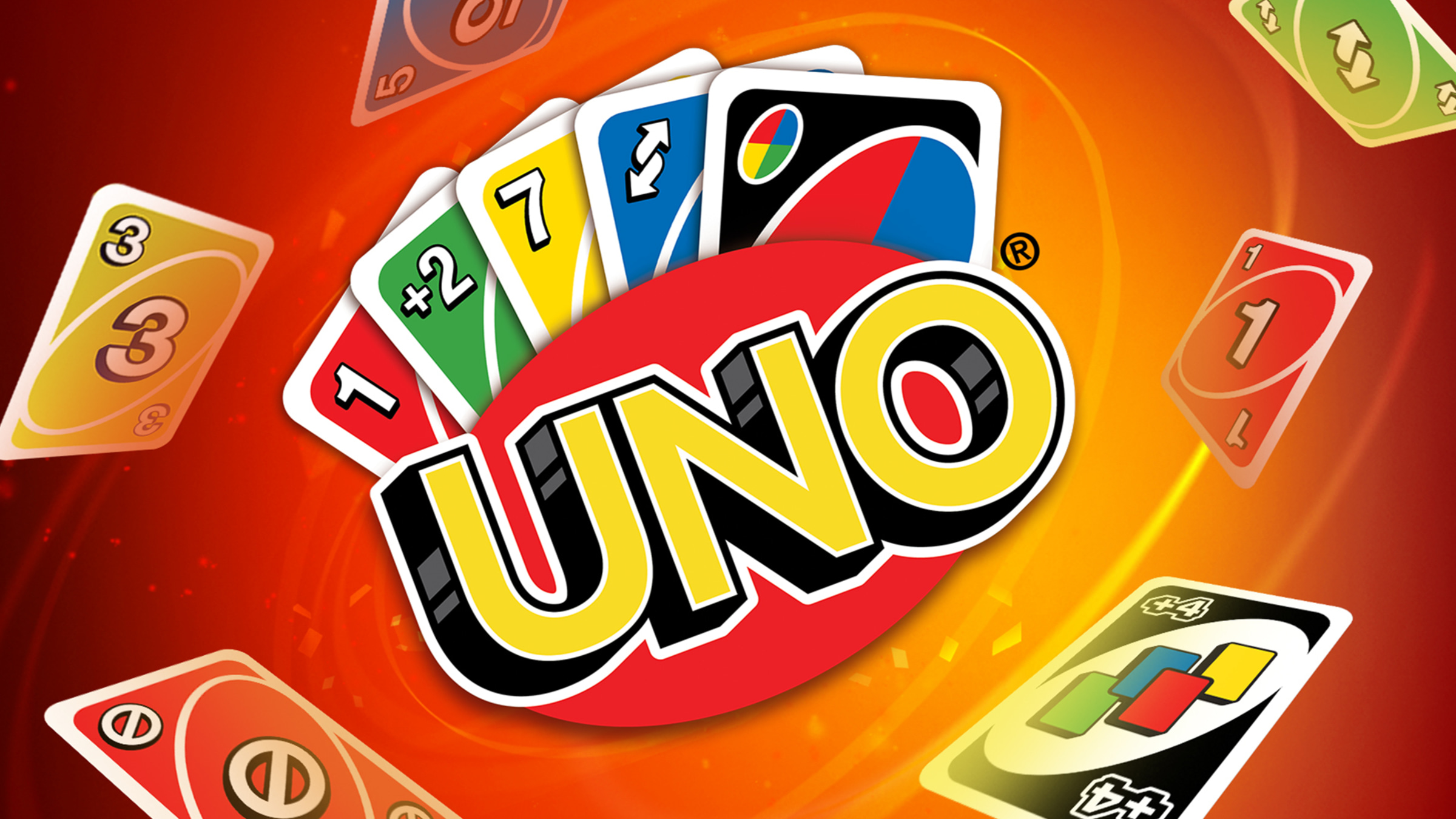
I went to Jamaica recently and was delighted to see that a childhood card game is alive and well.

The game of  "Uno" is widely played the world over and the reason I think it has survived all these years is because the owners keep on re-inventing the game.

There are some really outlandish rules with this game now, which rally make it interesting and consequently a hit with the upcoming generation.

What are your thoughts on the game?

Do you think there is still room for change and if so what other suggestion would there be?

Wednesday

Seventh day Adventist in Jamaica

 Although it is not the leading Christian denomination in Jamaica, no doubt it is among the top 5.


Consequently everybody has either heard or are affiliated with a 7th day Adventist.


Who in your family is 7th day Adventist?

Jamaican Pet/Nick names

I made a post a couple of days ago about Jamaican names and someone said that I should should list the pet names of Jamaicans and those would sound more like Jamaican names rather than their regular names.

What are your thoughts? 

If you are reading this from another country other than Jamaica please share if any of these names are used in your country.

Do I need to also put the history behind each name?

Some of these are derived based on something that the person did, or physical features that they possess.


  1. Chubby
  2. Queenie
  3. Footy
  4. Juicy
  5. Browning
  6. Smelly
  7. Get-shot
  8. Oney
  9. Back fist
  10. Tin grin
  11. Lippo
  12. Smiley
  13.  Twinny
  14. Cawsey
  15. Shorty
  16. Parrow
  17. Bawla
  18. Stamma
  19. Bumpy
  20. Blacka
  21. Sleepy
  22. Droopy
  23. Princess
  24. Strength
  25. Brains
  26. skinny
  27. Fatta
  28. Bigga 
  29. Likkle
  30. Fatty
  31. Bowlo
  32. Samfy
  33. dolla
  34. Tall-man
  35. Poochie
  36. Country
  37. Fambily
  38. Skipper

Jamaican Baby names

 My friend was looking for a baby name that speaks Jamaican and at the time I could not think of one. Some time later I thought of the name "Errol." Is this a true Jamaican name?


What are your thoughts?


Can you think of another name that says that you are from the island?

______________________________________________________________________________

Someone read the blog and said I should include these names as well.  I'm not sure they all qualify as Jamaican names, do you agree?


1. Gavin

2. Kevin

3.

_____________________________________________________________________________

Some said that the pet names are more Jamaican than they regular names, and I should list those . New post created.

Sunday

How one Jamaican treats his toe fungus


 The truth is. This is a difficult one.


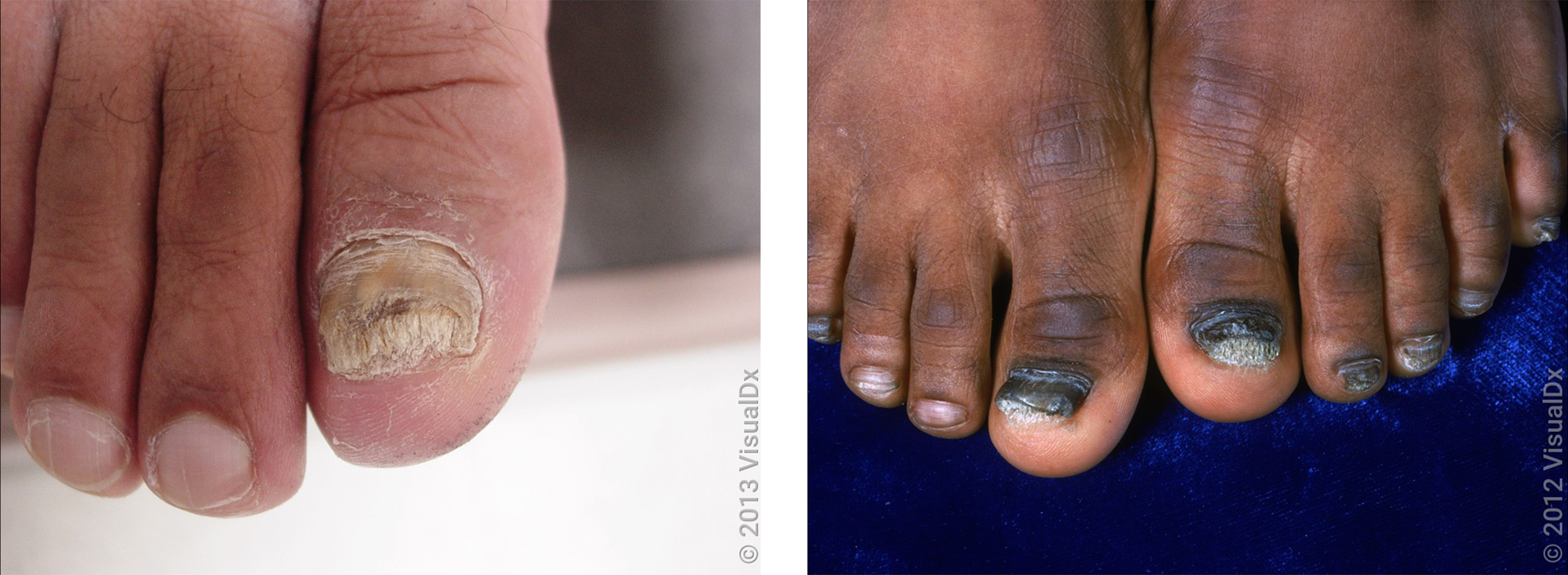
I guess I am required to say that this is not medical advise as a disclaimer. This is just what I did to treat my toe fungus.


Once the fugus was contracted my body immediately put up a fight and tried to discard the toe nail.

Eventually it did fall off. This was a good thing. I needed the nail to fall off so that I could have direct access to the nail bed. I applied a liberal supply of antifungal treatment daily directly to the nail bed. 

Mine went away for a while, but then it came back.

My cousin also had nail fungus and he did nothing until the nail grew back.

He went to the doctor and they prescribed something for him that was to be taken orally for the toe fungus.

The doctors warned that the treatment was harsh on the liver and could cause serious damage. So they did a test before prescribing him the medicine.

He took the medicine for about 6 months and the toe fungus did go away, but it came back.

It was then that he decided to go the natural way and soak his foot in apple cider vinegar and Epsom salt. The fungus growth slowed for a while but then came back with a vengeance. Not sure why.


It was then that he and I and concluded that our toe nail would probably be affected with fungus for life or until we decided to seek medical treatment again.

Hope this was helpful.


If you know of any other methods used that work, please jot them below.

Tuesday

Jamaican Transportation.


 No doubt Jamaican transportation has evolved significantly since it was first instituted.. The farthest my mind goes is back to JOS buses, but the name has changed several times since then.


What are the names that you remember. Name a few of the buses that were popular in your times as well. Like the Encava or quarter million.


Monday

Unemployment in Jamaica

 As the world moves closer and closer towards the use of technology smart jobs, no doubt jobs are being affected.

However it is not being affected in the way that most would expect. 

Even Jamaica is experiencing a labor shortage. That is un-employment is at a historic low.

 I was watching a documentary recently and the company said they could not expand because they did not have enough workers.

Although in Jamaica it is said that the shortage is for skilled or trained workers, but I dare to say that it is al workers that are short.

I don't know what the solution to this problem is.


The idea is being floated around that Jamaica should start importing workers.


can you imagine?


The Jamaican Market Place


You know in Jamaica it is common place to find these things sprawled out in front of almost every vendor.

Not so in the states. In the places that are referred to as market places. there is an abundance of processed foods. You have to go to a specialty store to pick produce items.

I had thought to do a video of a store here, but I realize that it is the scenario in Jamaica as well. Just walk into any store that claims to sell groceries and you will find that there is only a small section of the store that actually has produce/(i.e. real food) and the rest of the store is filled with man made food products.

It is not real food, but made from real food.

No wonder we are all getting sick. We are eating too much processed foods. We are eating chemistry and not food.

Long gone are the days when food came straight from the ground to the pot.


What are you thoughts?

Jamaican Ram Goat Liver


No doubt Pluto Shervington (rip) made this dish internationally know by the release of his song with the same title.

I have never really had it by itself, however I have had soup that it was in.

So I thought to myself why not see if there is a recipe for preparing this renown dish.

Here is what I found. 

Preparing goat liver is similar to preparing liver from other animals. 

Here's a basic recipe:Ingredients:

1 lb (450g) goat liver,

 sliced thinly1 onion, 

chopped2 cloves garlic, minced

2 tablespoons oilSalt and pepper to taste

Optional seasonings: thyme, paprika, curry powder, etc.

Instructions:Rinse the goat liver slices under cold water and pat dry with paper towels.Heat oil in a skillet over medium heat.Add chopped onions and minced garlic to the skillet and sauté until softened and fragrant.Add the goat liver slices to the skillet and cook for about 2-3 minutes on each side, or until browned.Season the liver with salt, pepper, and any other desired seasonings.Continue to cook for another 2-3 minutes, or until the liver is cooked through but still tender.Serve hot with rice, vegetables, or your preferred side dishes.You can adjust the seasonings and cooking time according to your taste preferences. Enjoy your goat liver!

Favorite Jamaican Singers from the 1980s


Here is a list of favorite songs that reflect the decade. You might be wondering why document these songs.

because if not written down they will be forgotten

I believe that the 1980's were just as influential as the 70's. It was during this time that legends like Bob Marley flourished.

If you think there are some singers or groups that I should have mentioned but did not

please list below in the comments section.

Be sure to check the year before you post your comments.

1. Sugar Minott

2. Freddie Mcgregor

3.Barrington Levy

4. Third World


Jamaicans and Chess


I realize that there is a Jamaica federation for chess, and it has been around for a good little while.


This is indeed encouraging. I hope they will get some serious sponsorship and land some endorsement deals equal to that of Hussein Bolt.


The Jamaican Mind is nothing to play with, we are giants in our own right. we just need the right forum.


Just wait until we get the right competition.


Saturday

Some Jamaican Parents have it so hard


Some Jamaican Parents have it so hard. Do you know what it is like to raise your child with all the values that you received as child only to have your child scoff a them.

For example a parent that has never smoked or drank no is talking to a rebellious teenager who both smokes and drinks. 

Better yet, which might be more common the child that you slaved to ensure that they had better opportunities than you have does not want to go to college becuase of peer influence.


Parenting is no easy task and lots of times the children challenge every wit moral and standard you have.

I have heard of parents that said if their child ever come home gay they would kill them.


Saying it is one thing, but living it out is a total other tory.


Remember these are the kids that you watched grow up. These same kids that you fed your food clothed with your clothes slept in your bed for years.

To suddenly and perfectly abandons them is out of the question. Not because your are not feeling hurt, but because ultimately what would abandoning them do?


Is there hope that they will stop the behavior when the only good in their life has left them tot he mercy of the world.

It is one thing for parents to have that challenge in America where the lifestyle is not just tolerated but legal.

Now Jamaica is probably dubbed the most homophobic place in all the world. Now consider the quandry that Jamaican parents find themselves in when their child comes out and says that they are gay.

A parent's world is turned upside down after such a confession. Life finance don't make sense after that...


What do you think?

I

Thursday

Jamaican singers from the 1970's


I believe that the 70's was the era that music really took off in Jamaica. It was during this time that legends like Bob Marley Pluto Shrevington and Boney M shun the  most.

You might be wondering why document these songs. Once again in the general theme of this blog. If it is not written down somewhere , eventually it will be forgotten

If you think there are some singers or groups that I should have mentioned but did not

please list below in the comments section.

Be sure to check the year before you post your comments.

1.Jimmy Cliff

2.Burning spear

3.Peter Tosh

4.Toots and Maytals

5 Black Uhuru

6. Dennis Brown

7. Bunny Wailer

8.Gregory Isaacs

9. Lee "scratch' Perry

10. Desmond Decker

Jamaican Libraries

Back in the day people used to use the library as a meeting place. Forget about the  wealth of books that were present filled with interesting things to learn.

High school students just wanted to meet their friends after school in a somewhat safe environment, where they can hang out for a while.

I once went to the library during high school to do some research on a topic and my friends used to opportunity to hit on girls and goof off. 

I was somewhat disappointed that I did not get to do any work at the library with my friends, was I being naïve?

I may have been, nevertheless, the whole landscape of libraries have changed.

The last time I remember going to the library for a book was during the early 2000's when I was in college. I checked out a couple of books for a research paper that I was doing. My paper had to include a least 5 book in my references. That was the assignment.

I recently moved into an area and I was surprised at the number of books that I had in my possession that I simply don't use anymore. I just put them in the library's book drop.

I was surprised when I visited that library not long after and found that they had a sign that they don't need any more books.  Can you imagine?

A library refusing books.

Since my time in college a visit to the library has been about using their internet on my personal computer. 

The library to me is just a place to access wifi and read quietly.

In a few years these places may be extinct as people do all the research they need on the internet via their phones.

Do you think differently? If so please comment below.

Wednesday

Punjabi's and Jamaican


I wonder if there is such a combination.


I met some Punjabi's the other day, and I am convinced that these are the most accommodating people I have ever met.

I know that Indians tend not to marry out of their tribes, but I was just  wondering, especially since so many of them have migrated to the US, has any of them hooked up with a Jamaican?

If so please share the story.

Jamaican Gospel Singers


When I was a child the favorites were:

The grace Thrillers.

Carlene Davis

I know since then there have been many many more gospel artists that have popped up, like

I know we can now add

Pappa san

Lt Stichie


In my day  some of these artists used to sing secular music. I don't doubt the conversion may be real, but it is undeniable that tha was a radical shift in the genre of music being sang.

Who are your favorites?  

Sunday

Jamaican Talk shows


When I was growing up there was a talk show that aired every evening to bring on the cartoons. It was called "Evening time." Is this even still on tv?

Mind you this was when Jamaica only had 1 tv channel. I think by now much has changed.


Do they still have a morning show and an evening show. If so how popular are these shows?


There were several talk shows that used to air on the radio. I remember very vividly Wilmot Perkins being the host of one of them. Are there any more such radio shows that allows the peoples voices to be heard? If so, what are their names? 

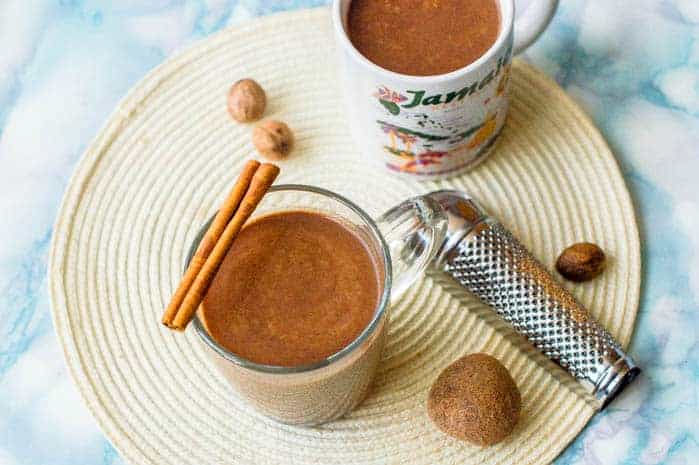
Chocolate tea in Jamaica


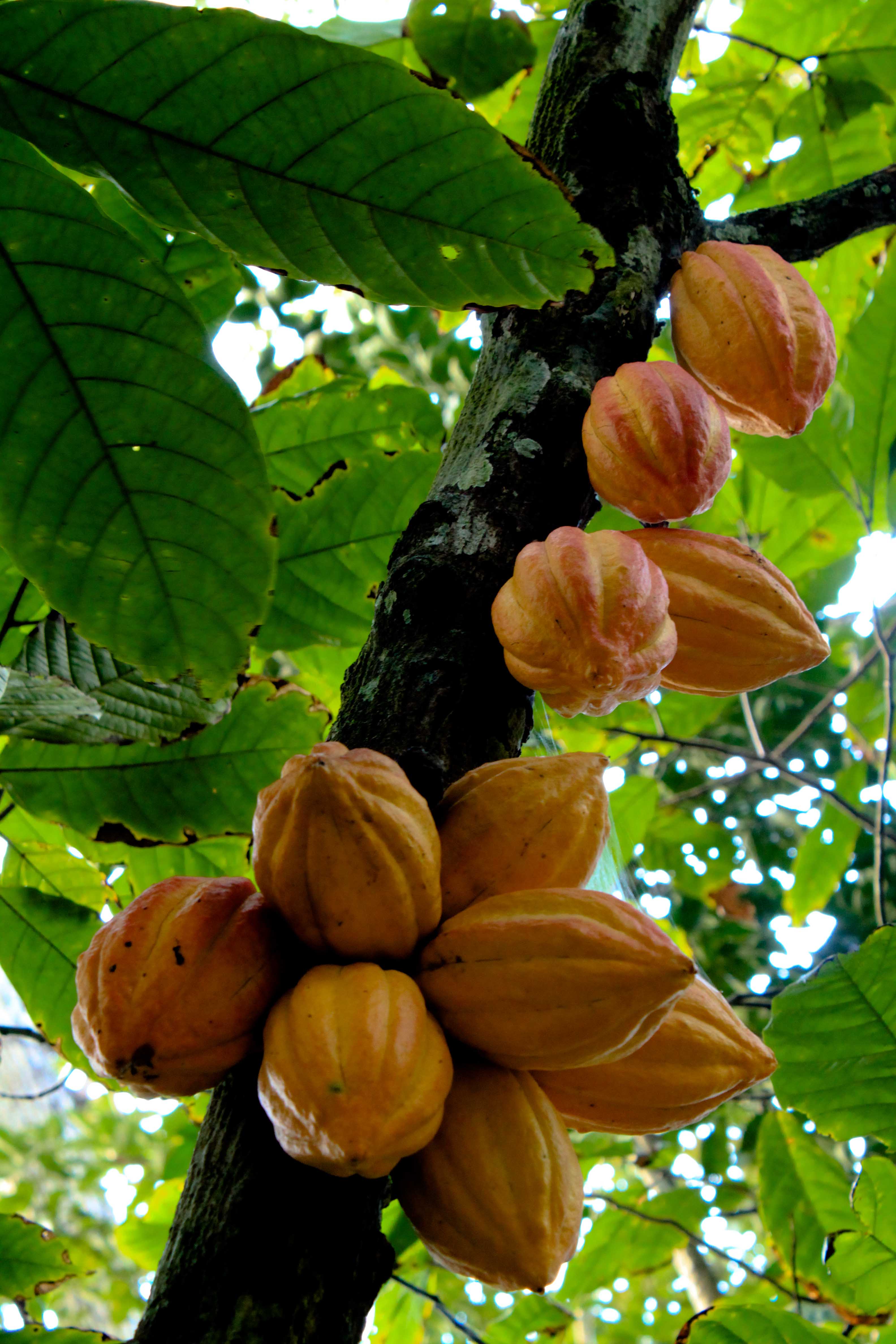
I was watching a program on how chocolate is made and I was surprised that the tree that I grew up knowing as the cocoa tree is actually the cacao tree.


To add to the confusion, this tree is the source of cocoa used to make a variety of drinks and snacks.

I was like what is the point of having the spelling so close?


On another totally related topic I remember waking up to the smell of the cocoa tea, which grand ma took all day to make.

First she picked the ripest of the cocoas she found

then she would dry the seeds

The then roasted the seeds

Then she crushed them

she used to knead them together to use later for tea. 

Do you remember how it is made? Did I miss anything..let me know in the comments section below.


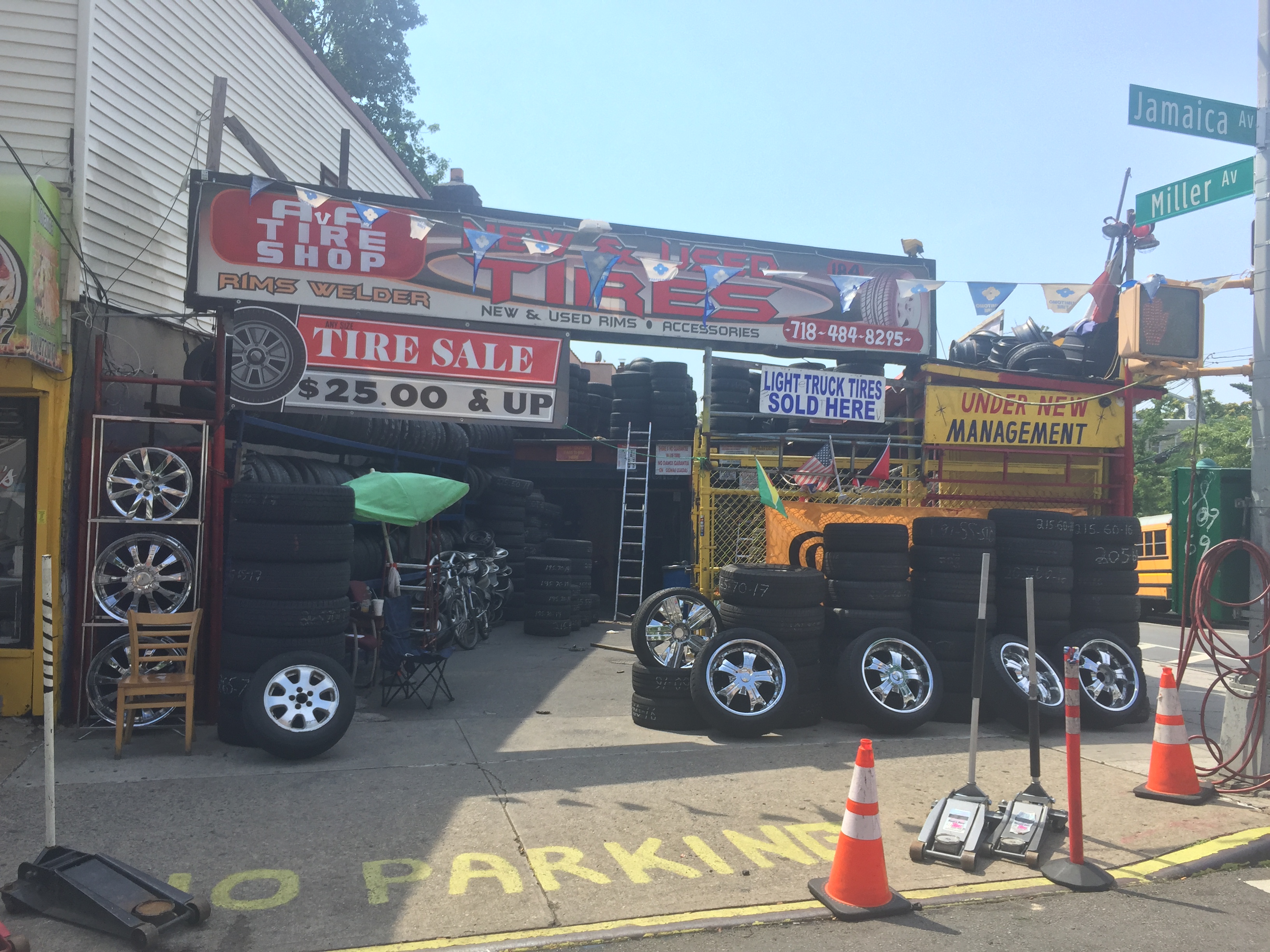
Jamaican Tireshops


 It's funny how the  tire shops on the side of the road work.


I wanted to highlight a couple of the shops that I had been to in Jamaica, but then the names slipped me.


Did you visit any great tires hops that you want to give a shout out to?

A Rhyme about the Jamaican water company

I thought I would get a poem about A Jamaican water bottling company. Let me know what you think.


In Jamaica, a water promotion did glow,
It was dubbed the "Bob Marley's Flow," 
And it had lots of  jokes in tow.
Each bottle was  waterlogged and fun,
Bringing laughter to all under the sun.

Tourists marveled at this island delight,
Hydration and humor, a perfect flight.
With every sip, they felt the vibe so grand,
Jamaican spirit, spreading across the land.

The water, so refreshing and bright,
In Bob Marley's Flow, was taking its flight.

Just think what this or that old timer would say
We used to drink water straight from the pipe back in the day

_____________________________________________________________


I visited the island recently and was astonished to find that bottled water companies were thriving there.

I am not sure if this is just a concept imported from overseas or there is a legitimate need for this system since the water quality has diminished.


Do you know the real story?

Saturday

Jamaican Real Estate Agents


 Jamaican realtors bring Caribbean flair to property transactions, blending laid-back island vibes with professional expertise. Picture them, sipping coconut water while negotiating deals under swaying palm trees. With a knack for hospitality, they'll charm you into buying that beachfront villa with promises of endless reggae rhythms drifting through open windows. Need a tour of the neighborhood? No problem, mon! They'll whisk you away in a colorful Jamaican taxi, regaling you with tales of Bob Marley's favorite haunts along the way. Just beware: if they flash that irresistible smile, you might find yourself signing on the dotted line faster than you can say "irie."

_____________________________________________________________________

I saw this ad with a real estate agent and I thought it was funny. I was looking to see if I could find it again...it was about someone renting out a closet space as a bedroom...but it was gone..If you somehow find it leave the link below.

Friday

Jamaican Secret recipes


 If you have not figured out by now, I'm from the era that there were no smart phones. As a child I used to visit my Grandmother is the rural St Mary. ( I make mention of the beginning of my life in the blog post about the (Testimony of one Jamaican).

Grandmother would love to cook and bake and she had a drawer in the buffet with her special recipes. 

Mind you as a child when I looked at these recipes it just looked like a bunch of wrinkled paper. However later I came to find out that these wee actually grandma's secret recipes.

I ran across some of her recipes and decided that I would share.

Just in case you're wondering Grandma is long dead, but I guess by me putting up her recipes, her cooking style will live on

_____________________________________________________________________________

Grandma's Christmas Cake

1 pound Margarine

1 pound dark sugar

4 eggs

1/2  tsp vanilla

4 tsp baking powder

6 cups flour

1 / 1/2 tsp mixed spice

8 tablespoon browning

3-5 cups red wine

1 pound mixed fruit blended

________________________________________________________________________

Grandma's Banana bread

3- Ripe bananas

1/2 cup butter

3/4 cup sugar

2 eggs

1 1/2/ cups flour

1tsp baking soda

1/2 tsp salt

1/2 tsp vanilla

1 cup chopped nts

1/2 cup raisons

_________________________________________________________________________

Grandma's Oatmeal Cookies

1 1/2 Cup- Flour

3/4 tsp baking powder

1/2 tsp baking soda

1/2 tsp salt

1 1/4 cup sugar

1 - egg

1 tsp- vanilla

2 1/2 cup Oats

1 cup - butter


Wednesday

The New Jamaican Bob Marley movie


 I have not seen the movie yet, however it is receiving lots of media attention. Not to mention the iconic status that the actors depicting the lives of Rita and Bob Marley have achieved.

I have always been a fan of buying Jamaican, and now that such a beautiful product is coming from the island depicting the real Jamaican culture. It is definitely a must see.

It is just a pity that the entire cast could not have been Jamaican.

There was lots of Jamaican talent included in the film and I really like knowing that local talent was employed.

It is a win, although some may call it a small one, but it is a win nonetheless. I hope this will be a step in the direction of not only exploiting Jamaican acting talent, but also the the broad scale launch of a film industry from the island.

There have been several African movies circulating in the US, I long to see Jamaican share in this expedition as well.

After all we are not short of talent.

What are your thoughts? 

How to ship directly to Jamaica from Amazon


 I have never done this but I am sure it can be done.


So how do you get that product that you have been eyeing on Amazon to your door step in Jamaica?


Believe it or no the answer is simple. All you have to do is contact Amazon's global service and ship to them. They will make the arrangements to get that product to your door step.


There is actually another blog that goes into more detail about this. Check it out here.

https://www.joyofcreating.org/does-amazon-ship-to-jamaica/


Sunday

Jamaican Obituaries


So in my travels I came across this one interesting parting poem written by Anne Lindgren Davidson's poem "I am Free!". It is probably very well known by now, however I feel I should still create a celebratory post for this poem because of the sentiments it expresses.

If you have come across some interesting parting poems please feel free to jot below.

_________________________________________________________________________________

Here is another one. This one is entitled if tomorrow starts without me by David Romano.


When Tomorrow Starts Without Me When tomorrow starts without me, And I’m not there to see, If the sun should rise and find your eyes All filled with tears for me; I wish so much you wouldn’t cry The way you did today, While thinking of the many things, We didn’t get to say. I know how much you love, me, As much as I love you, And each time you think of me, I know you’ll miss me too; But when tomorrow starts without me, Please try to understand, That an angel came and called my name, And took me by the hand, And said my place was ready, In heaven far above And that I’d have to leave behind All those I dearly love. But as I turned to walk away, A tear fell from my eye For all my life, I’d always thought, I didn’t want to die. I had so much to live for, So much left yet to do, It seemed almost impossible, That I was leaving you. I thought of all the yesterdays, The good ones and the bad, The thought of all the love we shared, And all the fun we had. If I could relive yesterday Just even for a while, I’d say good-bye and kiss you And maybe see you smile.

But then I fully realized That this could never be, For emptiness and memories, Would take the place of me. And when I thought of worldly things I might miss come tomorrow, I thought of you, and when I did My heart was filled with sorrow. But when I walked through heaven’s gates I felt so much at home When God looked down and smiled at me, From His great golden throne. He said, “This is eternity, And all I’ve promised you. Today your life on earth is past But here it starts anew. I promise no tomorrow, But today will always last, And since each day’s the same way, There’s no longing for the past. You have been so faithful, So trusting and so true. Though there were times You did some things You knew you shouldn’t do. But you have been forgiven And now at last you’re free. So won’t you come and take my hand And share my life with me?” So when tomorrow starts without me, Don’t think we’re far apart, For every time you think of me, I’m right here, in your heart. 
. 
_______________________________________________________________________


Things every Jamaican should do at least once.


It is not uncommon to hear that those who have visited the island have visited the Montego or Ocho Rios Resorts. However there are people living on the island who have not visited these areas not even once.

While it may cost a handsome penny, each person living on the island should strive to experience the best of the island by visiting these resort at least once.

There should be no Jamaican that has never visited the beach. The island is simply too small to not have visited the beach. 

Where I am living now, it take a full 2 hours to drive to the beach.

While I was living in Jamaica I don't think it took me more than an hour to drive to a popular beach destination. 

It goes without saying that if you can't go the the fancy resorts you should at least have visited a local beach at least once.

On that note, "what is with us Jamaicans?"

Although Jamaica is a small island surrounded by water and feature many rivers, there are so many of us that cannot swim.

What is it with that? Is this a prime example of "nearer to church farer from God? 

Things every Jamaican should know

I was talking to a person recently who referred to themself as Jamaican. However I was appalled that the did not know the basics about the island; like how many heroes there are and what is the name of the National anthem. They had the accent so i did not doubt that they were native tot he island. But surely they lacked patriotism. How can you call your self Jamaican and not know the national emblems? I think such a person should not call themself Jamaica, what do you think? As it relates to the title I beleive that the every Jamaican should know these things. If you think I have missed a few items, please feel free to jot in the commnets section below. Every Jamaican should know: Some history about the island (not necessarily aout the Carib Idians but some history) What are the national emblems What are the National Colors What is the name of the Prime Minister of the island The name of the Chief of Police How many parishes are in the island What is a bulla How to speak the Language

Friday

Jamaican Old Boys association

 This is not as repulsive as it sounds. Maybe.


In Jamaica when a student graduates from a Educational high school system, (usually -all boys) they are called the old boy from the schools.

I was surprised to find out that there are many organizations out there.

Although I am biased towards this one, Kingston College has a very prominent Association, both in the the US and in Jamaica.

It is a little intimidating to go these function, especially when you don't consider yourself successful.

You wan to stay isolated in your little corner having never to answer the questions "What are you doing with yourself these days?"

It's exactly like going to your high school reunion, with the exception that it is not just one school year that is coming together but all who are moved to do so. The teachers, coaches well wishers of all walks of life from different years often show up to these meetings.

I know they meet once a year in a venue of choice, a person only has to search for it on the web to find the next meeting. It is indeed commendable that the school  has even organized a facebook group so that all may stay informed with happenings at the school.

From what I can remember these meetings are a blast as you get to relive those youthful years when you run into classmates. It's actually quite entertaining to watch, as grown men, some boasting white beards, act like teenagers and make immature jokes as they interact with each other.

Can you think of any reason to go to your high school reunion, if you don't consider yourself successful?

Fifo Dido in Jamaica


Does any one remember the famed cartoon character that advertised 7up?

It was all the craze back then. Boys in my classroom used to draw the character, just because they could.

It is funny how this character just vanished. Maybe its owing to the fact that the drink is not as popular as it once was. 


While I am on an old Jamaican cartoon, it was be remiss to not mention Kool cat from D&G soft drinks on this totally Jamaican Blog.

Do they still use that icon?

No I'm n

Wednesday

Jamaican birds


I was thinkin that the only bird indigenous to Jamaica was the national bird the humming bird. However when I did a search I found that there were over 42 species of birds that are native to the island.

Jamaica is truly a blessed place.

Did you know that so many birds called Jamaica home?

Jamaican Hairstyles

Nothing beats the good old weave and wig.

It is funny how women hair styles have basically remained the same over the years, but men have been cutting an styling and coloring their hair in many creative ways.

Do you agree with me that women hair has remained the smae?

Universal Jamaican saying

 Are there any words that you hear Jamaicans use whether in song or everyday talk that is actually used correctly?

Well  just recently I was listening in on a conversation and hears the term "coot" come up. 

I went to do some research on the word and was surprised that the word was actually used correctly.

Definition of coot

noun
  1. an aquatic bird of the rail family, with blackish plumage, lobed feet, and a bill that extends back on to the forehead as a horny shield.
  2. a foolish or eccentric person, typically an old man.

There are other terms, that come to mind that Jamaican slaughter, and are not used correctly.

Take for example the first printed front page article in the Jamaican Gleaner about the killing of Phillip by the notorious gangster Wappy.

Although the expression is usually used correctly the words uttered are never usually correct. For the most part the name Phillip is brutally mispronounced.


There is also other theories, to follow this you can watch this video below.


Jamaican Garbage Disposal


 Collecting the garbage in Jamaica has always been a 3 man job. Two on the back and a driver.


However here in the states we have only one man picking up the garbage and driving the truck. This is all done with mechanizations attached to the truck. Will Jamaica ever import these trucks or better yet order some of these trucks, so that garbage can be picked up efficiently?


Apart from D&G are there any other recycling plants in Jamaica that are concerned about he environment.


Truly Jamaica is a nice play to live, but if the garbage situation is not addressed soon it will become one great dump.

What are you thoughts?

Monday

Jamaican Relics

 I was delighted to find out that the "Hope zoo" is still operational and they still provide viewing of exquisite animals.

I raise my glass to the management of this long time Jamaican Relic. Thank God for the investors and managers that has kept this Jamaican Relic going.

Sunday

Common Jamaican Household items

 There were several products that I used as a child that I wonder if they are still available. Namely

Sudsil


Blue Bomber


Ajax bleach


Since the Grace company is still around I'm guessing all the Grace products that I used as child are still around.

I made a post about some of the old advertisements that were used to market these products.

Are there any products that you can think of that were around as a child but are no longer available?

Different ways Jamaicans play with marbles.


 As a child I never grew to like this game because when I would flick the marble

 it would peel the skin back at the edge of my fingernail. 


It was a game however that I loved to watch. I learned the rules of the  of two games I will share that below.

If you know of any more games that are played with marbles, please feel free to share below.

Game 1

Each person comes to the game with the intention to win marbles. ( a little like gambling)

A ring is drawn on the ground with chalk a stick or anything that is available. In that ring a choice of marbles are placed. Each person takes turn to throw their playing marble close to the ring.  The objective is to get marbles out of the ring. Whatever is hit out of the ring is pocketed.

If you marble lands in the ring you would technically lose a turn since your thrown piece now becomes a part of the marbles to win, and you have to throw again when it would have been your turn to play.

To keep in the game you have to have marbles in the ring. If all your marbles have been taken out you have the option to put more marbles in the ring or drop out of the game.

But this was the long way. the short way was just to hit your opponents piece that way you could take out their marbles out of the ring. Because of this rule nobody usually wanted to throw first.

It was usually determined by drawing straws, or by age or height.

__________________________________________________________________

Game 2 was a little less popular.


The objective of this one was to score points.

The game starts where players throw their marble from a starting spot then taking turns try to hit their opponents piece.

Every hit gets one free play.

Double points if your opponent's playing marble is broken.

Some boys would cheat by using steel marbles to play.

________________________________________________________________________

If I have not mentioned the rules of the marble game you used to play, please do share.

Friday

Jamaican Dad Jokes

 Before there were named Dad's jokes", some used to label them "Frequently asked Questions" or FAQs.

Some of these have become very popular on the internet, others not so much. These are  just the ones I can remember from my childhood. Please feel free to leave the ones you can remember from your childhood in the comment section below.


Q. What do you call a Jamaican without a nose or a body?

A. Nobody knows


Q. What is so delicate that if you say it's name you break it?

A. Silence


Q. Why do zebras have stripes?

A. To confuse their enemies.


Q. Why did the bee get married?

A. He found his new honey


Q. What did the carpet say to the floor?

A. Don't move I got you covered


Q. Why do bees have sticky hair?

A. Because they be using honey combs.


Q. Why was six afraid of seven?

A. Because seven eight ate) nine


Q. Why did the chicken cross the road?

A. The same reason you do, to get to the other side.


Q. What do you call two people who would like to run away and get married but cant?

A. Cant-elopes


Q. What is black and white and Read all over?

A. The news paper


Q. Why did the detectives stay in bed?

A. They wanted to stay under-cover.


Q. Why did big boy tip toe past the medicine cabinet?

A. Because he did not want to wake the sleeping pills


Q.

A.


Thursday

Iconic Jamaican characters

I know the sketches I am about to mention have probably been discontinued a long time ago. It is probably the case that even the actors who play the roles mentioned might themselves have passed. Neveretheless I think it would be remiss to make a  list of  famous Jamaican actors and not give a shout out to the characters they played.

 Mrs. Uptown.

Titus

Jukky Jam

I know I did not name them all, but keep it going. Which character did you watch as a child that made an impression on you?

Jamaican mornings


Back in the 1980s and even part of the 1990s it was common place to hear roosters announce that morning was here.

This is only the case in some rural places now as it seems that all the roosters 🐓 have gone extinct.

If you live in a place where roosters are still heard in the morning  please comment below.

Jamaica’s Next Generation of Media Innovators

  When most people think of Jamaica's cultural exports, dancehall, reggae, and track-and-field immediately jump to mind. But a dynamic n...